Precision Eyelid Repair From a Surgeon Who Specializes in Nothing Else

When the eyelid droops, the consequences are rarely just cosmetic. Obstructed vision, eye fatigue, and compensatory habits like raised brows or a tilted chin can develop gradually, often before patients realize the cause. Dr. Allison V. Coombs is a board-certified oculofacial plastic surgeon and ophthalmologist on the Upper East Side, with ASOPRS fellowship training and extensive experience in both reconstructive and cosmetic eyelid surgery. Her subspecialty focus means ptosis repair is approached with a depth of anatomical knowledge that a general plastic surgeon cannot replicate. Schedule a consultation to find out whether ptosis repair is right for you.

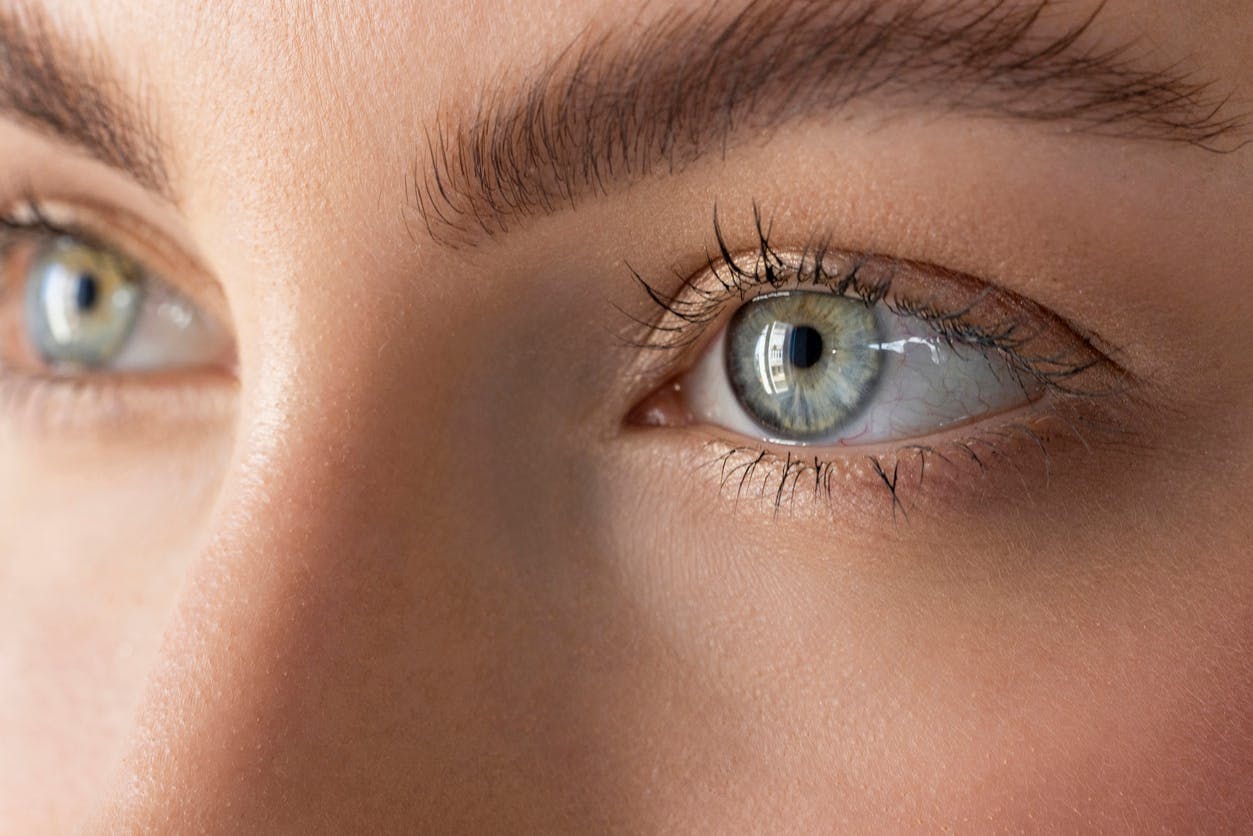
woman with blue eyes

What Is Ptosis Repair?

Ptosis refers to the drooping of the upper eyelid caused by weakening or dysfunction of the levator muscle, the primary structure responsible for lifting the lid. When that muscle loses strength or its attachment to the eyelid loosens, the lid descends and may partially or fully cover the pupil.

Ptosis repair is the surgical correction of this condition. Depending on the cause and severity, Dr. Coombs may tighten or reattach the levator muscle, shorten it to increase its lifting effect, or use an alternative suspension technique when the levator is severely weakened. The technique is chosen after a thorough evaluation of anatomy, severity, and overall eyelid function. The goal is a lid position that looks symmetrical and natural and functions without restriction.


Am I a Good Candidate for Ptosis Repair?

Good candidates include patients with noticeable upper eyelid drooping that affects their appearance, vision, or daily comfort. Ptosis may be present from birth or develop with age, following eye surgery, contact lens use, trauma, or neurological changes. Tilting your head back to see clearly, raising your brows habitually, or noticing that one eye looks consistently smaller than the other are all signs worth evaluating. Candidates should be in good general health with no active eye infections or uncontrolled systemic conditions. A consultation will clarify whether ptosis repair alone or in combination with another procedure is the right approach.

Banner media

Benefits of Ptosis Repair

  • Restored upper field of vision and reduced visual obstruction
  • Correction of eyelid asymmetry for a more balanced appearance
  • Relief from chronic brow strain caused by compensatory lifting
  • Improved ability to open the eye fully and comfortably
  • A more alert, rested appearance without an overdone look
  • Long-lasting results grounded in structural repair, not surface treatment
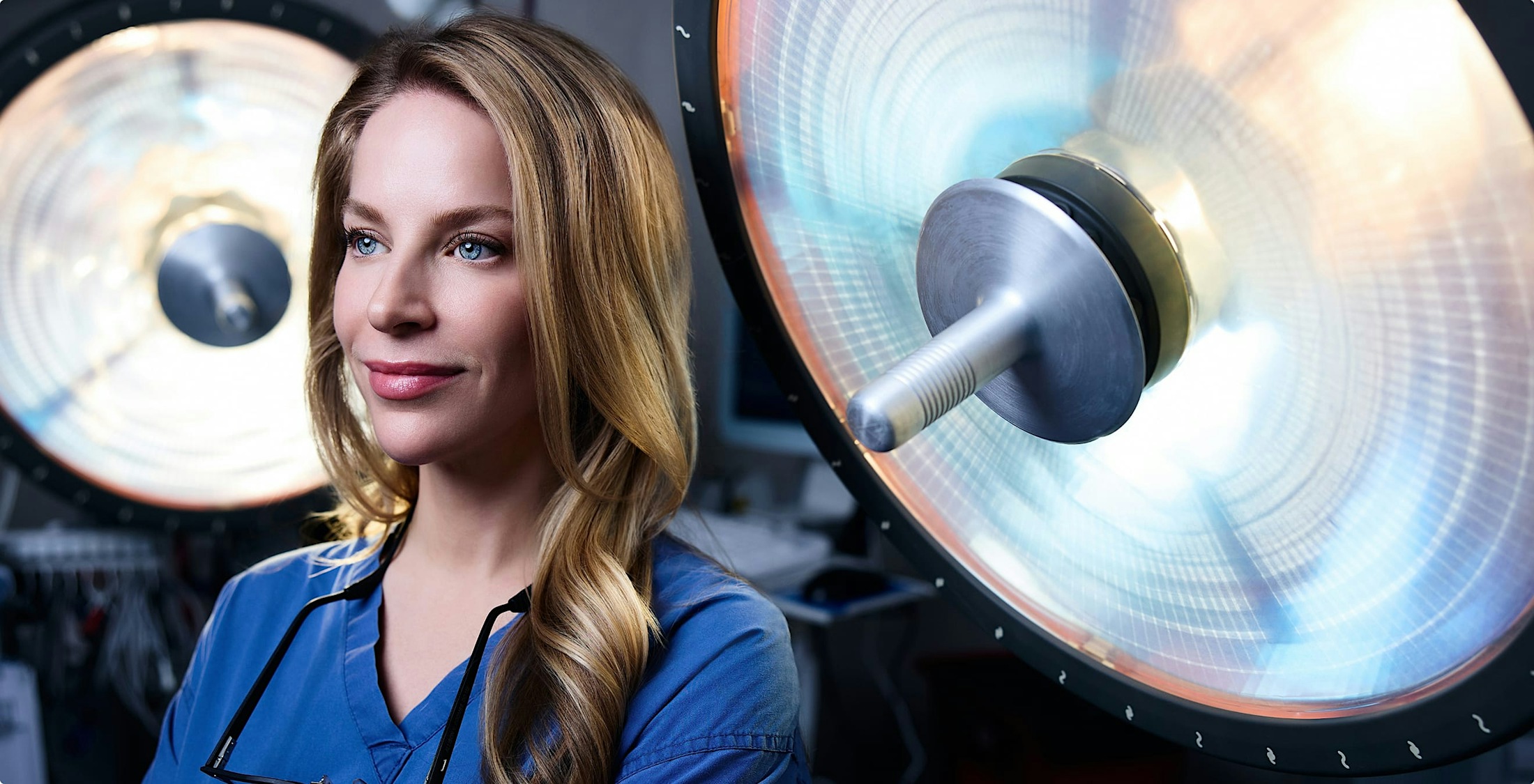
woman with bright blue eyes

How Much Does Ptosis Repair Cost?

Cost depends on the surgical technique required, whether one or both eyelids are being treated, and whether the procedure is combined with other work. When ptosis causes functional vision impairment, insurance coverage may apply. Dr. Coombs' team can assist with documentation and the verification process. For cosmetic cases, transparent pricing and financing options are available. A precise estimate is provided at your consultation once the appropriate approach has been determined.

What to Expect During Ptosis Repair

Preparation and Anesthesia

Ptosis repair is performed as an outpatient procedure under local anesthesia with light sedation or general anesthesia, depending on complexity. Dr. Coombs will discuss the best option for your case at your pre-operative appointment. On the day of surgery, the eyelid is carefully marked before anesthesia is administered.

The Surgical Repair

The technique used depends on levator muscle strength and the degree of lid droop. In the most common approach, an incision is made in the natural eyelid crease, and the levator aponeurosis is tightened and secured. When the levator function is minimal, a frontalis sling procedure may be used, connecting the lid to the brow muscle to assist with lifting. Lid height is adjusted intraoperatively to achieve the most accurate result.

Closure and Recovery Preparation

Fine sutures close the incision within the natural eyelid crease to minimize visible scarring. Before discharge, Dr. Coombs reviews aftercare instructions covering incision care, medications, and which symptoms should prompt a call to the office.

Background media

Ptosis Repair Recovery

Swelling and bruising are normal in the first week, typically peaking around day two or three before gradually resolving. Most patients return to light daily activities within seven to ten days. Lubricating eye drops are often recommended as the lid settles into its corrected position. Strenuous activity and heavy lifting should be avoided for at least two weeks.

Some asymmetry or lid tightness early in recovery is common and usually resolves as swelling clears and the muscles adjust. Follow-up visits allow Dr. Coombs to monitor healing and confirm the result is progressing as planned.

Ptosis Repair Results

Results become visible as swelling clears, typically within two to four weeks, with the final outcome settling over the following months. Most patients see meaningful improvement in both eyelid symmetry and visual clarity. Results are long-lasting, though natural aging continues, and a small number of patients opt for a minor revision years later.

Types of Ptosis Repair

Levator Advancement

The most common approach, and the one used for most adult patients. The muscle responsible for lifting the eyelid has a tendon that can stretch or detach over time. Dr. Coombs tightens or reattaches it through a small incision hidden in the natural eyelid crease. The muscle still works on its own; it just needs to be repositioned to do its job properly.

Muller's Muscle Conjunctival Resection (MMCR)

A gentler option for patients with mild drooping. The procedure is performed from the inside of the eyelid, so there is no external incision or visible scar. During the consultation, Dr. Coombs uses a simple eye drop to test whether the eyelid responds well to this approach before recommending it.

Frontalis Sling

Used when the eyelid muscle is too weak to lift the lid on its own, which is most common in patients with congenital ptosis. A small internal sling connects the eyelid to the brow muscle, allowing the forehead to assist with lifting. It is a more involved technique, but for patients who need it, it is often the only reliable option.

Background media

Your Consultation

During your consultation, Dr. Coombs will evaluate the degree of lid droop, assess levator muscle function, and examine how your eyelid interacts with your brow and surrounding facial structures. She will also review your medical history, including any prior eye surgeries or systemic conditions that may be contributing to the ptosis. You will leave with a specific recommendation and a thorough understanding of the procedure, recovery, and realistic results for your anatomy.

Doctor media

Dr. Allison V. Coombs


Why Choose Dr. Coombs for Ptosis Repair?

Ptosis repair demands a precise understanding of how the eyelid moves, how the levator and Muller's muscles interact, and how the surrounding anatomy will respond to correction. Dr. Coombs holds board certification in both ophthalmology and oculofacial plastic surgery, a dual distinction held by very few surgeons. As founder of the oculofacial plastic surgery division at Manhattan Eye, Ear and Throat Hospital, she brings subspecialty depth to a practice built around individual patient care.

Related Procedures

  • Upper Eyelid Surgery: Removes excess skin and fat from the upper lids to restore a more open, refreshed appearance.
  • Lower Eyelid Surgery: Addresses under-eye bags, puffiness, and hollowing for a more rested look.
  • Eyelid Malpositions: Corrects ectropion, entropion, and eyelid retraction affecting function and appearance.
  • Brow Repositioning: Lifts descended brows that may be compounding the appearance of upper eyelid heaviness.
  • Injectables: Neurotoxins and fillers that can complement surgical results or address mild asymmetry non-surgically.
Banner media

Schedule Your Ptosis Repair Consultation on the Upper East Side

Drooping eyelids affect more than appearance, and correcting them well requires a surgeon who understands both the functional and aesthetic stakes. Dr. Coombs brings that depth of expertise to every patient she sees. Contact the office to schedule your consultation today.

FAQ Ptosis Repair FAQs

How is ptosis different from excess eyelid skin?

Excess skin, or dermatochalasis, creates heaviness in the upper lid due to skin laxity rather than muscle dysfunction. Ptosis specifically involves the eyelid margin sitting too low because of levator weakness. The two conditions can occur together and are sometimes addressed in the same procedure.

Can ptosis come back after surgery?

Recurrence is possible over time as natural aging continues. Most patients enjoy long-lasting correction, but if the lid descends again years later, a revision is an option.

Will both eyes need to be treated?

Not necessarily. Ptosis is often more pronounced in one eye. Dr. Coombs evaluates each eye independently and recommends treating one or both based on the degree of asymmetry and how the untreated eye may respond after surgery.

Is there a non-surgical option for ptosis?

For very mild ptosis, certain eye drops that stimulate Muller's muscle can provide temporary improvement, but they are not a lasting solution. Surgical repair remains the most reliable treatment.

How long does the surgery take?

Most procedures take between 45 minutes and 90 minutes, depending on the technique used and whether one or both eyelids are being treated.

What happens if ptosis is left untreated?

In children, untreated ptosis can interfere with visual development and lead to amblyopia. In adults, it tends to cause progressive visual obstruction, chronic brow and forehead tension, and worsening asymmetry over time.

At what age can children have ptosis surgery?

When ptosis is severe enough to obstruct vision, surgery may be recommended as early as infancy to prevent amblyopia. For mild cases that do not threaten visual development, surgery is often deferred until the child is older and the anatomy is more predictable.

Is ptosis repair painful?

Discomfort is generally mild and well managed with prescribed medication. Most patients describe the recovery as more uncomfortable than painful, with tightness and sensitivity easing significantly within the first week.

Contact us media
Accessibility: If you are vision-impaired or have some other impairment covered by the Americans with Disabilities Act or a similar law, and you wish to discuss potential accommodations related to using this website, please contact our Accessibility Manager at (212) 702-7733.
Contact Us